• Home
  • Category: Family

Pickleball, Memorials, and the Strange Gift of Gathering Around Grief

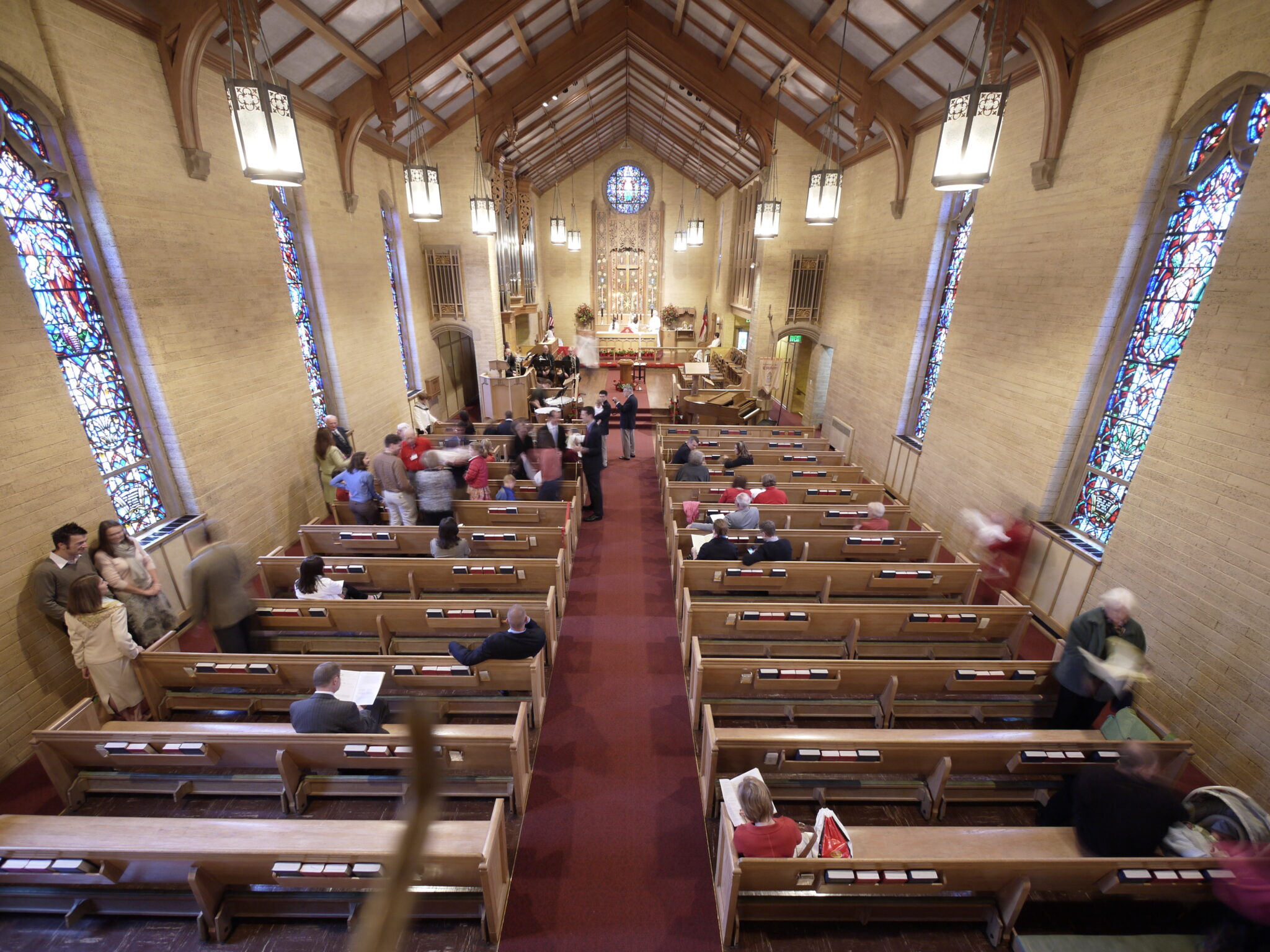
The itinerary for a memorial gathering is a strange document. It contains things like “pickleball tournament” and “dinner at the Pearl Street Airbnb” alongside “memorial service at St. James Episcopal Church.” Life and death, side by side on the same schedule.

There’s something deeply human about that juxtaposition. When people come together around the loss of someone they loved, they don’t spend every moment in formal grief. They play pickleball in the morning and cry in the afternoon and laugh over dinner that night at a story someone tells about the person they’re missing. All of it is real. All of it is part of what it means to grieve in community.

I’ve come to believe that the activities around the edges of a memorial — the games, the shared meals, the walks in the neighborhood, the impromptu late-night conversations — are not distractions from the grief. They are part of how we process it. We need to move our bodies. We need to laugh. We need to feel that life is still happening, that the person we lost would not want us to be only sad.

There’s also something important about the gathering itself, separate from the formal service. Twenty-one people from different parts of the country, different branches of a family, different stages of life — all in the same house, around the same table, sharing the same loss. That proximity matters. Grief felt alone is a very different thing from grief felt together.

The service provides the ceremony, the words, the formal acknowledgment of what has happened. But the days around it — the arrivals, the dinners, the slow mornings — provide something else: the chance to remember together, to tell the stories that only certain people know, to sit with someone who understood exactly what this person meant to you.

Pickleball the day before a memorial is not disrespectful. It’s a family saying: we are still here, still alive, still connected. We are going to grieve and we are going to play and we are going to hold both things at once.

That’s what love looks like when it doesn’t know what else to do. It gathers. It moves. It stays.

Do Not Let Your Hearts Be Troubled”: Finding Comfort in Ancient Words

There are passages of scripture that people reach for in the hardest moments of their lives — not because they answer all the questions, but because they hold something that feels true when almost nothing else does.

John 14 is one of those passages. “Do not let your hearts be troubled.” It’s a remarkable thing to say to someone who is grieving. Not “your grief is unfounded” or “everything will be fine.” Just: do not let your hearts be troubled. As if peace were a choice, and the choice were available even now.

What follows is a promise about rooms and preparation, about a place being made ready. It’s domestic language used for something cosmic — the idea that belonging doesn’t end, that there is space for you somewhere beyond what you can see. Whether you take it literally or hold it more lightly, something in it reaches for the deepest human fear: that the people we love simply stop existing, that love has no home after death.

Thomas asks the honest question: “We don’t know where you are going, so how can we know the way?” It’s the question every grieving person eventually asks. Not just about death, but about what comes next for the living too. How do we keep going? Which direction is forward?

The answer given isn’t a map or a set of instructions. It’s a person. “I am the way.” For those with faith, that’s everything. For those who hold the passage more loosely, there’s still something worth sitting with: that the path through grief isn’t a route you figure out — it’s a relationship you trust.

These words have been read at memorial services for generations, across cultures and centuries. They keep being chosen because they keep being true to the experience of loss — the trouble in the heart, the need for somewhere to go, the hope that love is not the end of the story.

How to Plan a Week That Actually Brings People Together

There is a particular kind of spreadsheet that only exists for one reason: love. It has columns for flight numbers and arrival times, rows for Airbnb addresses and rental cars, and a color-coded grid of who is sleeping where on which night. It is, on the surface, a project management document. But what it’s really tracking is the effort a family is making to be in the same room together.

I’ve been part of planning a few of these gatherings — the kind where people fly in from all over the country and scatter across Airbnb’s and hotel rooms, where the group text has seventeen people in it and someone is always asking what time dinner is. The logistics are real. The coordination is genuinely complicated. And it is absolutely worth every minute of it.

The gatherings that work best share a few things in common.

First, they have an anchor event. Not the whole week — just one moment that everything else orbits around. A memorial service, a milestone birthday, a dinner in a historic vault downtown. When there’s a clear center of gravity, everything else — the morning walks, the pickleball games, the impromptu lunches — can be loose and spontaneous without the whole thing feeling unstructured.

Second, they leave room for the unplanned, but nobody is required to go. The neighborhoods invite walking. The evenings have a dinner but not a schedule. The best conversations happen in the margins, not the main events.

Third, they mix the generations deliberately. When it’s only the adults or only the kids, you lose something. When a ten-year-old is at the dinner table next to a seventy-five-year-old, stories get told that wouldn’t otherwise surface. Questions get asked that adults have stopped asking each other. Something transmits.

The families who gather regularly — who make the plane reservations even when it’s expensive, who take the days off work, who sleep on uncomfortable air mattresses in someone’s living room — are building something. Not just memories, though those matter. They’re building a fabric of relationships that holds people across distance and time.

The spreadsheet is worth it. Make the spreadsheet.

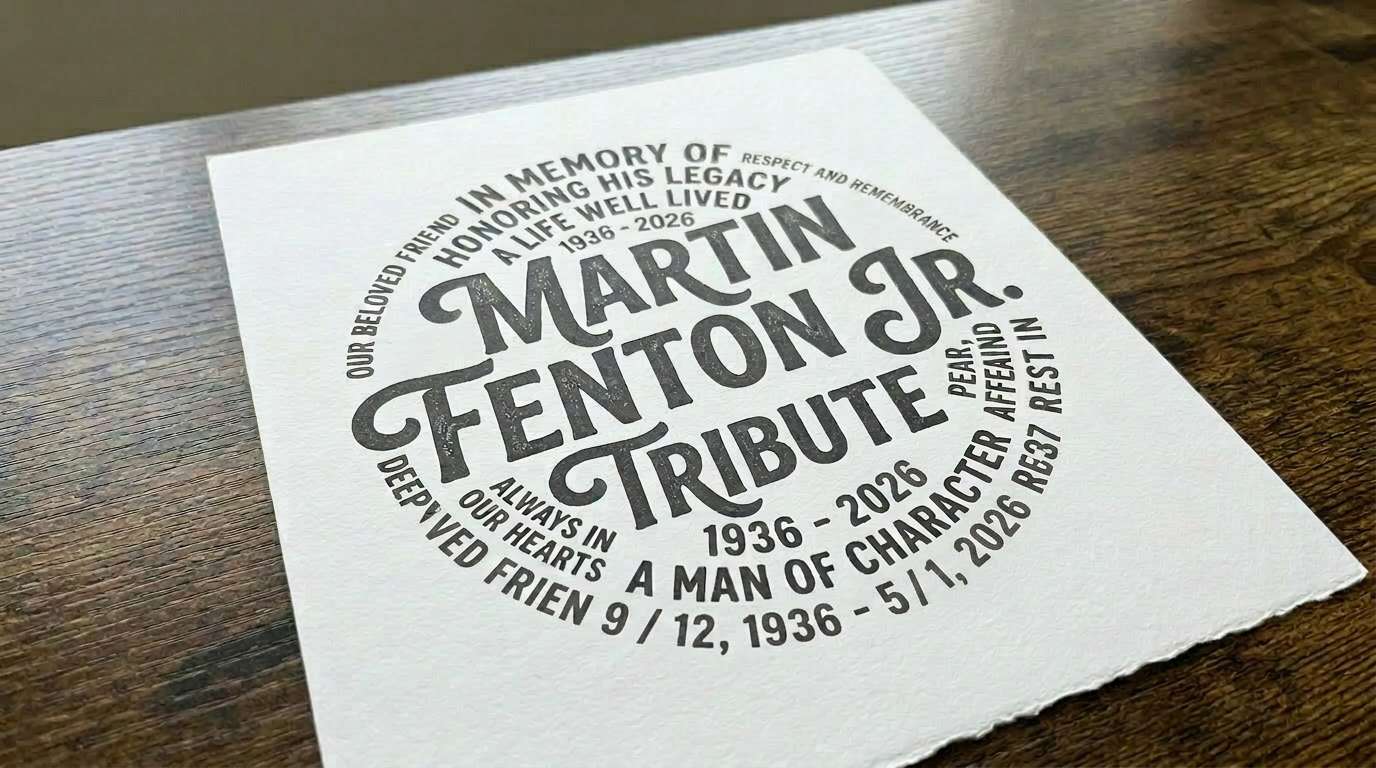
Martin Fenton Jr. – Tribute

Memorial Service – April 21, 2026

San Diego Tribune – Obituary