• Home
  • Category: Legacy

What Planning a Family Estate Teaches You About What You Actually Value

There is a particular kind of conversation that most families avoid for as long as possible. It involves attorneys, trust documents, and the acknowledgment that the people you love will one day have to manage the things you leave behind. It is not a fun conversation. It is also one of the most clarifying conversations a family can have.

Estate planning, at its surface, is a legal and financial exercise. Trusts, partnerships, residences, held interests — the vocabulary is dry and the documents are dense. But underneath all of that paperwork is a set of deeply human questions. What did you build, and why? Who do you trust with it? What do you want to survive you, and what are you willing to let go?

The families who approach this process thoughtfully — who don’t just hand everything to an attorney and sign where indicated, but who actually sit with the questions — tend to emerge from it with something valuable beyond the legal structure. They emerge with clarity.

Clarity about what actually matters. When you’re deciding how to organize a family partnership or structure a trust for children, you can’t avoid the question of what you actually want for them. Not just financially, but in terms of values, responsibility, and relationship to wealth. Do you want to provide security or create dependency? Do you want to give equally or equitably? These are not the same question.

Clarity about relationships. Estate planning reveals the fault lines in a family before they become crises. Who is trusted with what? Who needs protection? Who has the judgment to manage complexity? Having these conversations while everyone is healthy and clear-headed is infinitely better than leaving them for a moment of grief and stress.

Clarity about legacy. Not in the grand, monument-building sense, but in the quieter sense of what you hope persists. The values you modeled. The habits you instilled. The way you treated people. A trust document can transfer assets. It cannot transfer character. That work happens long before the attorneys get involved.

Estate planning is ultimately an act of love — imperfect, complicated, sometimes contentious, but fundamentally an attempt to take care of the people who matter most. It deserves more than avoidance.

Pickleball, Memorials, and the Strange Gift of Gathering Around Grief

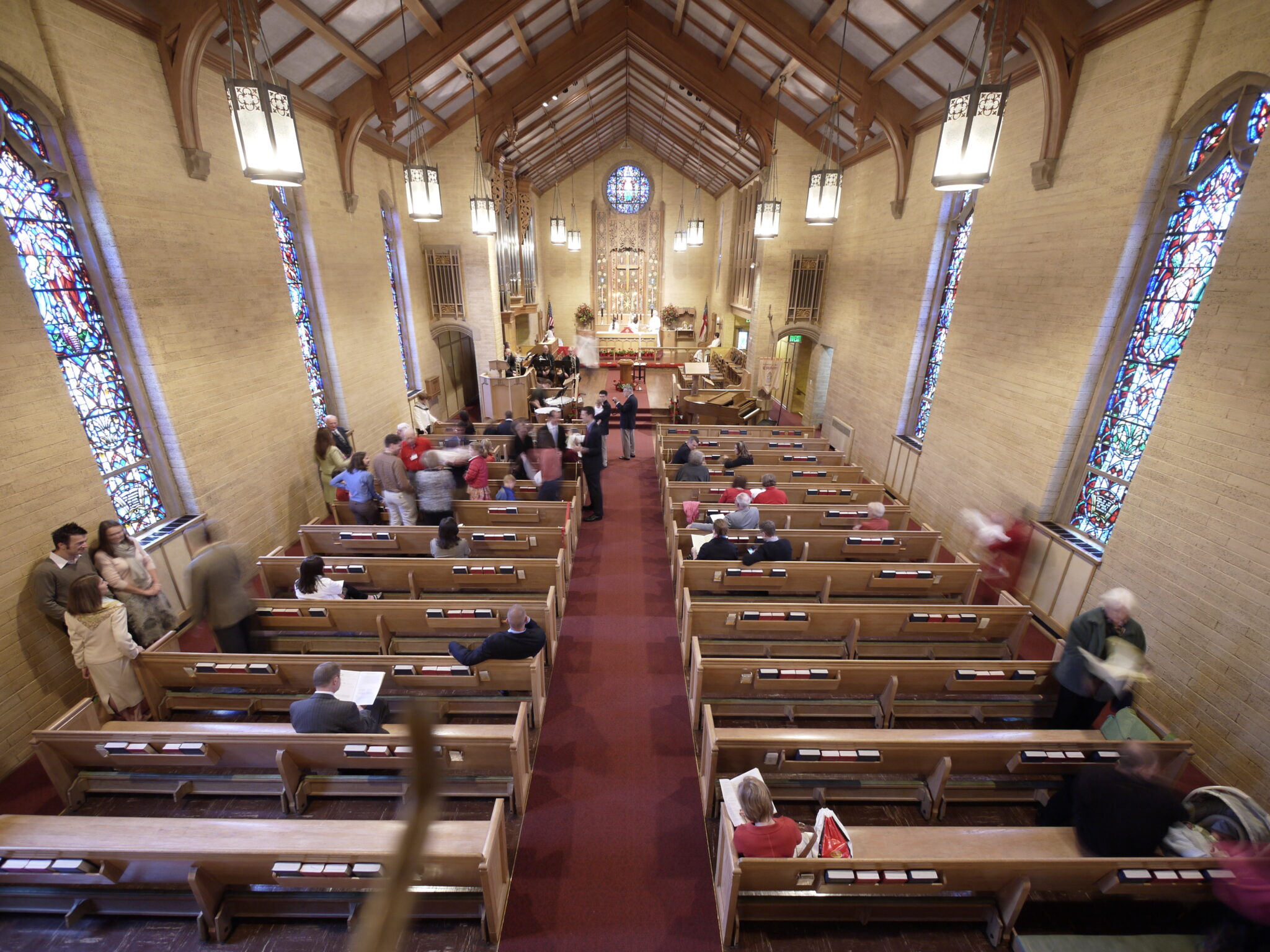
The itinerary for a memorial gathering is a strange document. It contains things like “pickleball tournament” and “dinner at the Pearl Street Airbnb” alongside “memorial service at St. James Episcopal Church.” Life and death, side by side on the same schedule.

There’s something deeply human about that juxtaposition. When people come together around the loss of someone they loved, they don’t spend every moment in formal grief. They play pickleball in the morning and cry in the afternoon and laugh over dinner that night at a story someone tells about the person they’re missing. All of it is real. All of it is part of what it means to grieve in community.

I’ve come to believe that the activities around the edges of a memorial — the games, the shared meals, the walks in the neighborhood, the impromptu late-night conversations — are not distractions from the grief. They are part of how we process it. We need to move our bodies. We need to laugh. We need to feel that life is still happening, that the person we lost would not want us to be only sad.

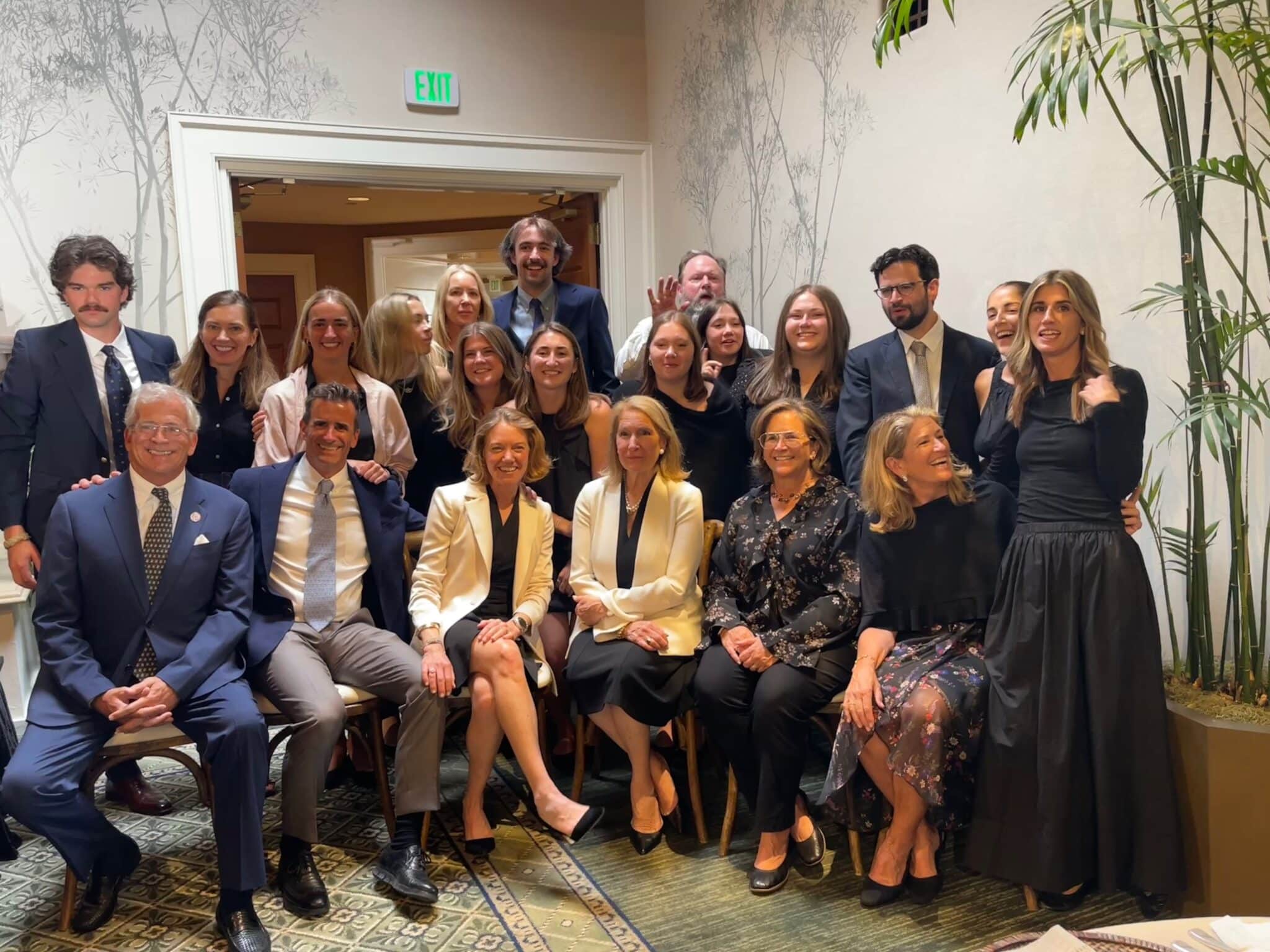
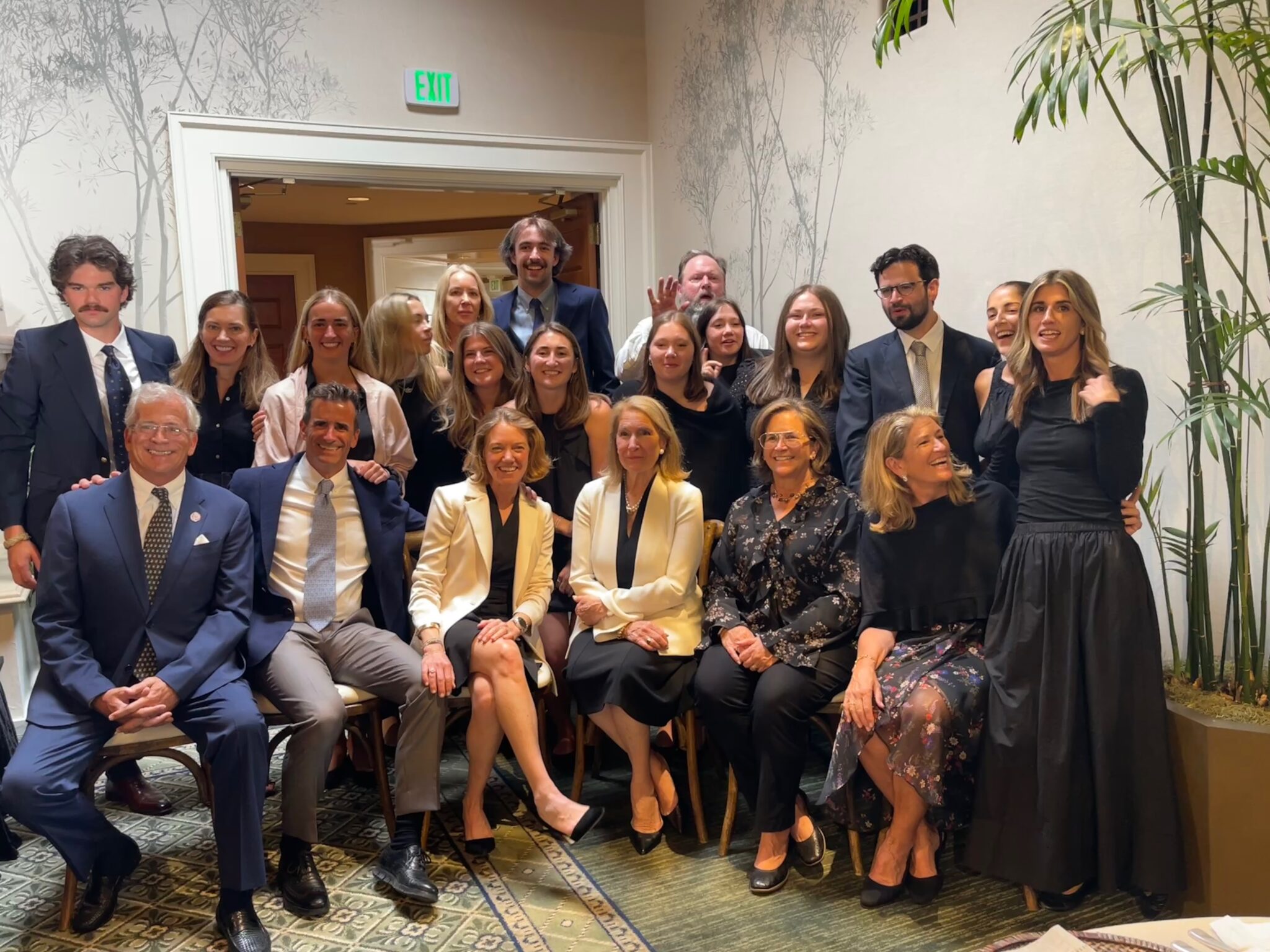
There’s also something important about the gathering itself, separate from the formal service. Twenty-one people from different parts of the country, different branches of a family, different stages of life — all in the same house, around the same table, sharing the same loss. That proximity matters. Grief felt alone is a very different thing from grief felt together.

The service provides the ceremony, the words, the formal acknowledgment of what has happened. But the days around it — the arrivals, the dinners, the slow mornings — provide something else: the chance to remember together, to tell the stories that only certain people know, to sit with someone who understood exactly what this person meant to you.

Pickleball the day before a memorial is not disrespectful. It’s a family saying: we are still here, still alive, still connected. We are going to grieve and we are going to play and we are going to hold both things at once.

That’s what love looks like when it doesn’t know what else to do. It gathers. It moves. It stays.

Do Not Let Your Hearts Be Troubled”: Finding Comfort in Ancient Words

There are passages of scripture that people reach for in the hardest moments of their lives — not because they answer all the questions, but because they hold something that feels true when almost nothing else does.

John 14 is one of those passages. “Do not let your hearts be troubled.” It’s a remarkable thing to say to someone who is grieving. Not “your grief is unfounded” or “everything will be fine.” Just: do not let your hearts be troubled. As if peace were a choice, and the choice were available even now.

What follows is a promise about rooms and preparation, about a place being made ready. It’s domestic language used for something cosmic — the idea that belonging doesn’t end, that there is space for you somewhere beyond what you can see. Whether you take it literally or hold it more lightly, something in it reaches for the deepest human fear: that the people we love simply stop existing, that love has no home after death.

Thomas asks the honest question: “We don’t know where you are going, so how can we know the way?” It’s the question every grieving person eventually asks. Not just about death, but about what comes next for the living too. How do we keep going? Which direction is forward?

The answer given isn’t a map or a set of instructions. It’s a person. “I am the way.” For those with faith, that’s everything. For those who hold the passage more loosely, there’s still something worth sitting with: that the path through grief isn’t a route you figure out — it’s a relationship you trust.

These words have been read at memorial services for generations, across cultures and centuries. They keep being chosen because they keep being true to the experience of loss — the trouble in the heart, the need for somewhere to go, the hope that love is not the end of the story.