• Home
  • Category: Perspective

The Reunion: What Happens When You Go Back to the Beginning

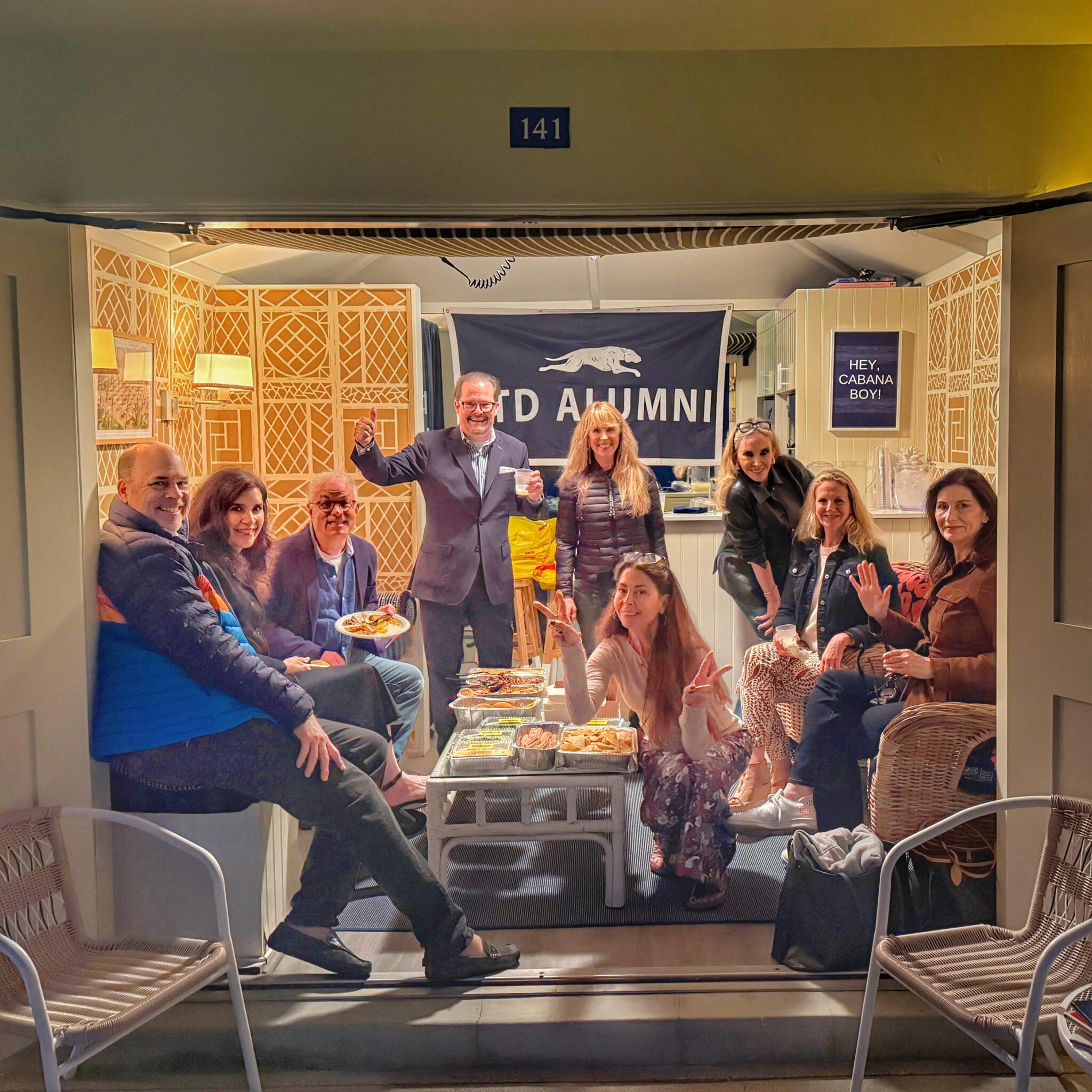
Fifty years is a long time. Long enough to have forgotten things, lost people, and become someone you couldn’t have predicted at age twelve. But class reunions have a strange magic — they take you back to a version of yourself you didn’t know you’d been carrying.

The invitation said it plainly, with a self-awareness that made me smile: 1976, we were legends in our own minds — zero responsibilities and making questionable decisions. 2026: older, hopefully wiser, too many responsibilities, and still making questionable decisions.

There’s something both funny and profound about that framing. Because it’s true. The distance between who we were at twelve years old and who we are now is enormous — and yet when you get a room full of people who shared that early chapter, something collapses. The decades fold. You find yourself laughing at things that happened half a century ago as if they were last week.

I’ve been thinking about what reunions actually do for us, beyond the obvious surface of catching up on careers and families and the passage of time.

They give us continuity. Modern life can feel strangely discontinuous — we move, we change jobs, we reinvent ourselves, sometimes by choice and sometimes by circumstance. It’s easy to lose the thread of who you’ve been over time. A reunion pulls that thread taut. The people in that room knew you before you had any of your adult identities. They knew you when you were still becoming.

They also offer perspective. Sitting at the pool at  the Bel-Air Hotel, surrounded by your closest childhood friends who are now in their late fifties and sixties, you can’t help but feel the sweep of time differently than you do on an ordinary Tuesday. People have built things. Lost things. Survived things. There’s a richness in a room full of shared history that’s hard to find elsewhere.

And then there’s the simpler thing: the chance to say, I remember you. I’m glad you exist. Here we are, still.

Not everyone makes it to fifty years. Some faces will be missing from that sunset gathering, and their absence will be felt. That, too, is part of what reunions hold — the weight of who isn’t there alongside the warmth of who is.

Reading glasses optional, the invitation said. But let’s be honest.

I think I’ll bring mine. And I am glad I went.

Letting Go: Why Releasing Control Is the Bravest Thing You Can Do

There is a moment most of us know well — the tight chest, the racing mind, the desperate need to make something go the way we planned. We grip our expectations like a lifeline, convinced that if we just control enough variables, life will deliver the outcome we deserve. But the teachings of Buddhism offer a radically different perspective: happiness isn’t found in what we accumulate or control. It’s found in what we release.

Life is like a river. It flows constantly, shifting around obstacles, finding new channels, moving always forward. You cannot dam a river with your bare hands, and you cannot bend life to your will either. The attempt to do so doesn’t make us stronger — it makes us more anxious, more exhausted, and more vulnerable to disappointment when reality refuses to cooperate with our plans.

Letting go of control is not the same as giving up. That distinction matters enormously. Giving up is passive — it’s turning away from life. Letting go is active. It’s choosing to trust the flow of events even when they don’t make immediate sense. It’s living in the present moment rather than being trapped in fears about the future or frustration about the past.

I’ve been practicing this in small ways. When a meeting doesn’t go as planned, instead of replaying every word, I ask: what is this moment asking of me right now? When a relationship feels strained, instead of orchestrating a fix, I try simply to show up with openness. The results aren’t always what I expected — but they’re often better.

There are several layers to letting go worth exploring. First, there’s letting go of the need to be right. Our egos are deeply invested in our own correctness, but holding that position tightly closes us off from learning and connection. Second, there’s letting go of old stories — the narratives we carry about who we are, what we deserve, what’s possible for us. Those stories were written in the past; they don’t have to govern the future.

Perhaps most challenging is letting go of outcomes. We can act with intention, put in genuine effort, and still release attachment to what happens next. This isn’t fatalism — it’s wisdom. It’s recognizing that our job is to show up fully, and the river takes care of the rest.

Letting go is an act of deep inner strength. It requires trusting yourself enough to believe that you can handle whatever comes, even if it’s not what you planned. And in that trust, something opens up — a lightness, a quiet joy, a sense of being carried rather than always swimming upstream.

The river is moving. You can fight it, or you can flow.

Do Not Let Your Hearts Be Troubled”: Finding Comfort in Ancient Words

There are passages of scripture that people reach for in the hardest moments of their lives — not because they answer all the questions, but because they hold something that feels true when almost nothing else does.

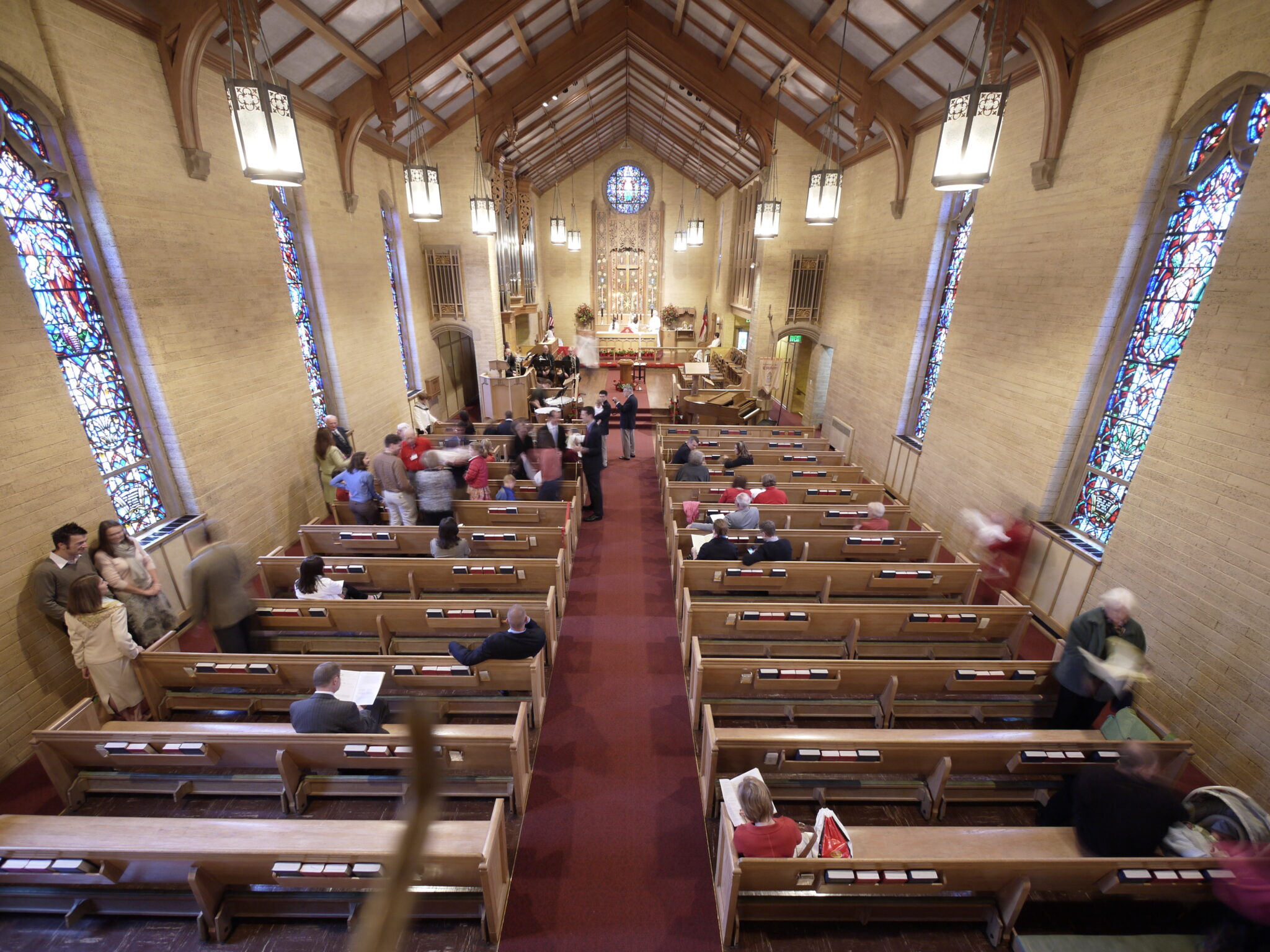
John 14 is one of those passages. “Do not let your hearts be troubled.” It’s a remarkable thing to say to someone who is grieving. Not “your grief is unfounded” or “everything will be fine.” Just: do not let your hearts be troubled. As if peace were a choice, and the choice were available even now.

What follows is a promise about rooms and preparation, about a place being made ready. It’s domestic language used for something cosmic — the idea that belonging doesn’t end, that there is space for you somewhere beyond what you can see. Whether you take it literally or hold it more lightly, something in it reaches for the deepest human fear: that the people we love simply stop existing, that love has no home after death.

Thomas asks the honest question: “We don’t know where you are going, so how can we know the way?” It’s the question every grieving person eventually asks. Not just about death, but about what comes next for the living too. How do we keep going? Which direction is forward?

The answer given isn’t a map or a set of instructions. It’s a person. “I am the way.” For those with faith, that’s everything. For those who hold the passage more loosely, there’s still something worth sitting with: that the path through grief isn’t a route you figure out — it’s a relationship you trust.

These words have been read at memorial services for generations, across cultures and centuries. They keep being chosen because they keep being true to the experience of loss — the trouble in the heart, the need for somewhere to go, the hope that love is not the end of the story.